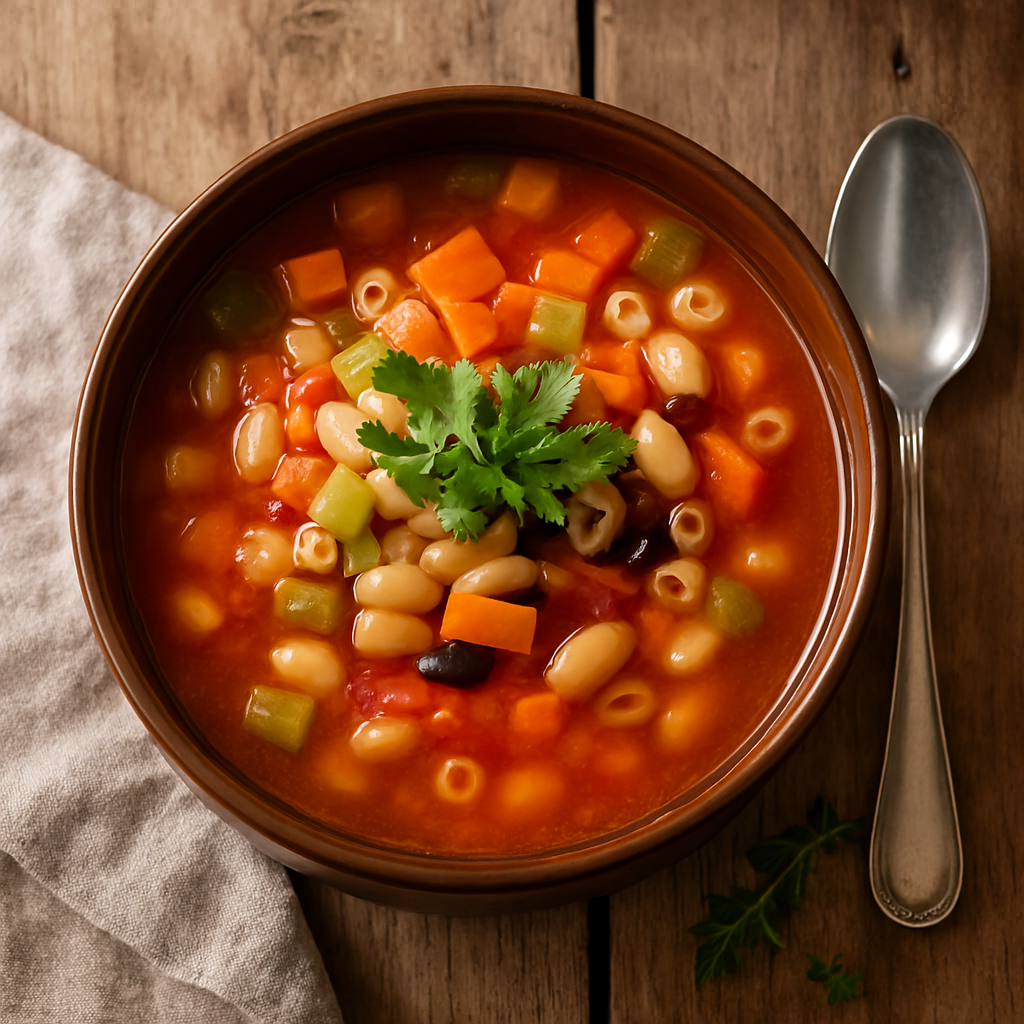

Ingredients
Method
Preparing the Stock
- To prepare the stock, heat 1 tbsp olive oil in a large pan over a medium heat. Add chicken drumsticks in batches to brown. Then return to the pan along with 1 chopped leek, 2 chopped carrots, 2 chopped celery sticks, 1 halved onion, a handful of parsley, 4 thyme sprigs, 2 bay leaves and ¼ tsp black peppercorns. Cover with 1.5ltr water and bring to the boil.
Slow Cook
- Using a large wooden spoon, skim the scum from the surface (repeat as needed during cooking). Push the ingredients down with the back of your spoon, submerging fully in the liquid, then reduce the heat to low and simmer for 2 hrs.
Drain Stock
- Strain the stock through a sieve into a large bowl. You can use the rest of the ingredients you could have otherwise discarded for other use (see suggestions below). If you are not using the stock immediately, leave it to cool then chill for up to 2 days, or freeze for up to 3 months (more information below).
Cook Vegetable Base
- You are now ready to prepare the Minestrone Soup - heat 1 tbsp olive oil in a large pan over a medium heat. Add 1 diced onion, 1 diced celery stick, 1 diced carrot and 200g diced swede and cook for 10 mins, or until softened. Stir in 2 minced garlic cloves and the leaves of 4 thyme sprigs, then cook for 2-3 mins more.
Add stock & the remaining ingredients
- Stir in 1 tbsp balsamic vinegar, 1 tbsp tomato purée, add 400g tin of plum tomatoes and cook for 5 mins before breaking up the tomatoes with a spoon. Add 1ltr stock, 400g tin of borlotti beans, drained and bring to the boil. Then add 50g spaghetti, broken into pieces, and cook for 5 mins.
Ready to Serve
- Add shredded leaves of ½ savoy cabbage and continue to cook for 5 minutes. Season to taste, stir in 30g shredded basil and to serve, dish soup into bowls, scatter your preferred grated cheese e.g., Parmesan, add extra basil leaves and a little freshly ground black pepper.
Notes
Kitchen Original Tips + Variations
Expert Flavour-Building Tips
1. Layer the aromatics properly.Don’t rush the onion, carrot, and celery. Let them soften for 6–8 minutes before adding garlic. This builds the soup’s backbone. 2. Salt in stages.
Lightly season at each layer rather than dumping it in at the end. It enhances depth without overpowering. 3. Cook pasta separately for meal prep.
If storing for later, cook pasta separately and add it when serving to prevent sogginess.
Delicious Variations
- Tuscan Minestrone: Add diced potatoes and swap spinach for kale.
- Protein Boost: Stir in shredded chicken or turkey.
- Low-Carb Version: Replace pasta with cauliflower florets.
- Spicy Kick: Add red pepper flakes or a spoon of Calabrian chili paste.
- Creamy Finish: Blend one cup of the soup and stir back in for natural thickness.
Storage + Freezing
Refrigeration
Store in airtight containers for up to 4 days.Freezing
Freeze (without pasta) for up to 3 months. Thaw overnight in the fridge and reheat gently on the stove.Reheating Tip
Add a splash of broth or water when reheating, as soup thickens over time.What to Do with Leftovers
- Use as a sauce base for baked pasta.
- Blend into a thick vegetable stew and serve over rice.
- Add extra broth and turn into a lighter lunch soup.
- Spoon over toasted sourdough for rustic bruschetta-style bowls.
FAQ
Can I make minestrone ahead of time?Yes — it tastes even better the next day as flavours deepen. Can I use frozen vegetables?
Absolutely. Add them directly to the broth and adjust cooking time slightly. Is minestrone vegetarian?
Traditionally yes, but some versions include using pancetta or chicken broth as is the case for this recipe. How do I thicken minestrone naturally?
Blend part of the soup and stir it back in.