Delicious Allergy-Friendly Meals: Cooking Without Worry

Understanding Food Allergies and Their Impact
I have always been interested in Food Allergies as one of my twins is asthmatic as well as being allergic to a number of nuts and other food products since birth. She even went through a three-year immune therapy at a hospital in London and we have been able to manage her conditions successfully. She is now 16th year old, grown into a beautiful young lady, thriving at school and hope to become a lawyer in future.
Food allergies represent a significant health concern for many individuals and families around the world. These reactions occur when the immune system mistakenly identifies specific foods as harmful, triggering various symptoms. Common allergens, such as nuts, eggs, dairy, and gluten, affect millions of people, necessitating careful attention to dietary choices.
The prevalence of food allergies has increased over the past few decades, with estimates indicating that approximately 5-10% of children and about 4% of adults suffer from at least one food allergy. This rise has prompted greater awareness of allergy-friendly meals, highlighting the importance of accommodating those with dietary restrictions. For families affected by food allergies, meal preparation becomes a complex and often stressful task as they must avoid specific ingredients to prevent adverse reactions.
Allergies can manifest in various ways, ranging from mild symptoms such as hives and an upset stomach to severe and life-threatening reactions like anaphylaxis. This variation underscores the need for individuals and caregivers to be educated about the potential impacts of food allergens, both in everyday life and during social gatherings. As such, creating allergy-friendly meals not only helps to ensure the safety of those affected but also fosters an inclusive environment for everyone during mealtime.
In modern society, it is crucial for restaurants, food manufacturers, and home cooks to understand and address the needs of individuals with food allergies. Developing meals that are both satisfying and safe involves a careful selection of ingredients, educating oneself about cross-contamination, and making informed choices. By prioritizing allergy-friendly meal options, we can create healthier, worry-free dining experiences for individuals managing food allergies while enhancing their quality of life.
Key Ingredients for Allergy-Friendly Cooking
Cooking for those with food allergies requires a careful selection of ingredients that can substitute common allergens while still delivering taste and nutrition. Understanding the key ingredients for allergy-friendly cooking can facilitate meal preparation without worry.
One essential category of substitutes includes nut replacements. For recipes calling for nuts, sunflower seed butter or pumpkin seed butter serve as excellent alternatives. Both options are rich in healthy fats and proteins, offering a similar creaminess and flavour profile without the risk of nut allergies.
When it comes to replacing eggs in recipes, options like flaxseed meal or chia seeds are beneficial. To create a binding agent, mix one tablespoon of either flaxseed or chia seed with three tablespoons of water, allowing it to sit until it forms a gel-like consistency. This method successfully replicates the emulsifying properties of eggs, making it suitable for baking and cooking.
Dairy-free alternatives are another crucial component in allergy-friendly cooking. Products such as coconut milk, almond milk, and oat milk can replace traditional dairy in various recipes. Consider brands like Ripple or So Delicious, which offer plant-based milk alternatives that not only mimic the texture of dairy but also provide unique flavours and essential nutrients.
Moreover, when searching for allergy-friendly products, it is imperative to look for clear labelling. Many stores now offer allergen-free options, including pre-packaged goods that are manufactured in dedicated allergen-free facilities. Additionally, ingredients like nutritional yeast can add a cheesy flavour to dishes, while being free from dairy.
In summary, utilizing these key ingredients and exploring various options allows for a more inclusive cooking experience, ensuring that those with food allergies can enjoy delicious meals without concern. By integrating these substitutes, one can create flavourful dishes that cater to diverse dietary needs.
Tips for Preventing Cross-Contamination
For those preparing allergy-friendly meals, preventing cross-contamination in the kitchen is of paramount importance. Cross-contamination can occur when allergens come into contact with food that does not contain the allergen, potentially putting those with allergies at risk. Here are several practical tips to help keep your kitchen safe for allergy sufferers.
First and foremost, maintaining cleanliness is essential. Always wash your hands thoroughly with soap and water before handling food, particularly after touching items that may be contaminated with allergens. Each surface should be cleaned and sanitized before preparing meals, especially if previous cooking activities involved allergens. Use separate cleaning rags or sponges designated specifically for allergen-free cooking to minimize risks.
Proper food storage plays a critical role in preventing cross-contamination as well. When stocking your kitchen, clearly label all food containers, including those storing allergenic and non-allergenic ingredients. Opt for transparent containers which allow you to identify contents easily, reducing the chance of mixing up ingredients. Ensure that foods not containing allergens are stored above those that do to further minimize the risk.
Equally important is the use of separate utensils and cooking surfaces. Designate specific cutting boards, knives, and pans for allergy-friendly meal preparation, ensuring that these items have not been previously used with allergenic ingredients. Consider utilizing color-coded items to easily differentiate between the utensils meant for allergenic and non-allergenic foods. Additionally, use separate serving platters and bowls for allergen-free dishes to avoid any inadvertent mixing.
By adopting these safe practices, cooks can significantly reduce the risk of cross-contamination in their kitchens, allowing for a more secure and confident cooking experience for everyone, particularly those with food allergies.
Step-by-Step Guide to Planning Allergy-Friendly Meals
Planning meals that accommodate various food allergies requires careful consideration and an organized approach. The first step is identifying the specific allergies within your household or social group. This knowledge will help you determine which ingredients to avoid. Next, begin the process of selecting suitable recipes that focus on allergy-friendly ingredients. Numerous online resources and cookbooks specialize in allergy-friendly meals, providing a diverse array of choices that cater to different dietary needs.
Once you have a collection of potential recipes, consider ingredient substitutions where necessary. For example, if a recipe calls for dairy, alternatives such as almond milk or coconut yogurt can be used. It is essential to ensure that any substitutes do not contain allergens themselves; therefore, always check labels for hidden ingredients. Creating a list of common ingredient substitutes can aid in this process and streamline future meal preparations.
Furthermore, aim to create balanced meals that include a variety of food groups. Incorporate protein sources, whole grains, fruits, and vegetables to ensure nutritional adequacy. You might select a protein like grilled chicken or tofu, pair it with brown rice or quinoa, and add a colourful vegetable medley for a well-rounded dish.
To further assist with organizing your cooking schedule, consider using a meal planning template. This can include sections for breakfast, lunch, dinner, and snacks, with spaces allocated for the corresponding recipes and ingredients needed. An example of a simple template could resemble the following:
Day:
- Breakfast: ____________________
- Lunch: ______________________
- Dinner: _____________________
- Snacks: _____________________
Utilizing this framework can significantly alleviate the stress of planning and preparing allergy-friendly meals, thereby allowing for a more enjoyable cooking experience overall.
Dos and Don’ts of Allergy-Friendly Cooking
When it comes to preparing meals suitable for individuals with food allergies, it is essential to approach the task with diligence and concentration. Understanding the dos and don’ts of allergy-friendly cooking can prevent cross-contamination and ensure that meals are safe and enjoyable. Below are some key guidelines to follow:
Do read labels carefully. Every time you purchase a packaged food item, take the time to inspect the ingredient list and any allergen statements thoroughly. Ingredients and manufacturing processes may change, and what was considered safe in the past might not be now. Always check for potential allergens, including hidden ingredients that might be used as stabilizers or flavourings.
Do clean your cooking area. Before you start preparing food, ensure that all surfaces, utensils, and appliances are clean and free from any allergens. This practice will help reduce the risk of cross-contact, which can occur if allergen residues remain from previous cooking activities. Utilize separate cutting boards and utensils when cooking for those with allergies.
Do communicate. If you are cooking for someone with allergies, engage in a thorough discussion about their specific dietary needs. Understand which ingredients and foods should be avoided to create a safe dining experience.
Don’t assume a product is safe. Just because a product appears to be a healthier option does not automatically mean it is allergen-free. Many items can contain trace amounts of allergens due to shared processing facilities or equipment. Always verify through careful label checks.
Don’t overlook alternatives. If a recipe calls for a common allergen, be creative and replace it with allergy-friendly alternatives. Using options such as almond milk, coconut yogurt, or gluten-free flours can help create delicious meals without compromising safety.
By adhering to these dos and don’ts while preparing meals, you can foster a kitchen environment that prioritizes safety for individuals with food allergies, ensuring they enjoy nourishing meals without the risk of allergic reactions.
Examples of Allergy-Friendly Meals
Creating meals that are both delicious and safe for individuals with food allergies can be an enjoyable endeavour. There are numerous options that cater to diverse tastes and preferences, making it easy to prepare meals free from common allergens like nuts and eggs. Below are some examples of allergy-friendly recipes for breakfast, lunch, dinner, and snacks that anyone can enjoy.
Breakfast: A great way to start the day is with a gluten-free oatmeal bowl. Cook rolled oats with almond milk or any plant-based milk alternative. Add toppings such as fresh fruit, cinnamon, and a drizzle of honey for natural sweetness. Another breakfast option is a delightful smoothie made from blended bananas, spinach, and coconut milk. This nutrient-packed drink is both energizing and nourishing.
Lunch: For lunch, consider a quinoa salad. Combine cooked quinoa with diced cucumber, cherry tomatoes, bell peppers, and a sprinkle of lemon juice and olive oil. This meal is rich in protein and is highly customizable. Alternatively, a vegetable stir-fry, featuring colourful veggies such as broccoli, bell peppers, and snap peas cooked with coconut aminos, makes for a satisfying dish that is free from soy, nuts, and eggs.
Dinner: A hearty chickpea stew can serve as a filling dinner option. Cook chickpeas with diced tomatoes, carrots, garlic, and spices to create a savoury meal that delights the senses. For those who prefer something lighter, a zucchini noodle pasta topped with a homemade tomato basil sauce can provide a flavourful and allergen-free alternative to traditional pasta dishes.
Snacks: For healthy snacks, consider options like homemade popcorn seasoned with rosemary and sea salt or roasted chickpeas that offer crunch and flavour. Fruit slices, such as apples or pears, can be paired with a sunbutter dip for a satisfying combination. These delicious and easy-to-prepare allergy-friendly meals will surely satisfy all tastes without worry.
Top Allergy-Friendly Brands and Products
In the quest for delicious and safe meals, selecting the right brands and products is crucial for individuals with food allergies. Numerous companies have emerged that specialize in allergen-friendly alternatives, ensuring those with dietary restrictions can enjoy cooking without fear. Below is a curated list of reputable brands offering allergy-friendly products.
USA
Enjoy Life Foods is well-known for its wide range of allergen-free snacks and baking products. All of their offerings are free from the top eight allergens, including wheat, dairy, and nuts. Their baking chocolate, granola bars, and cookies allow for a worry-free indulgence, perfect for easing the baking process without compromising safety.
Thrive Market operates as an online membership-based grocery platform providing a selection of organic and non-GMO products. Their allergy-friendly aisle features items free from gluten, dairy, and soy, making it an ideal one-stop-shop for those needing to eliminate specific allergens from their kitchens.
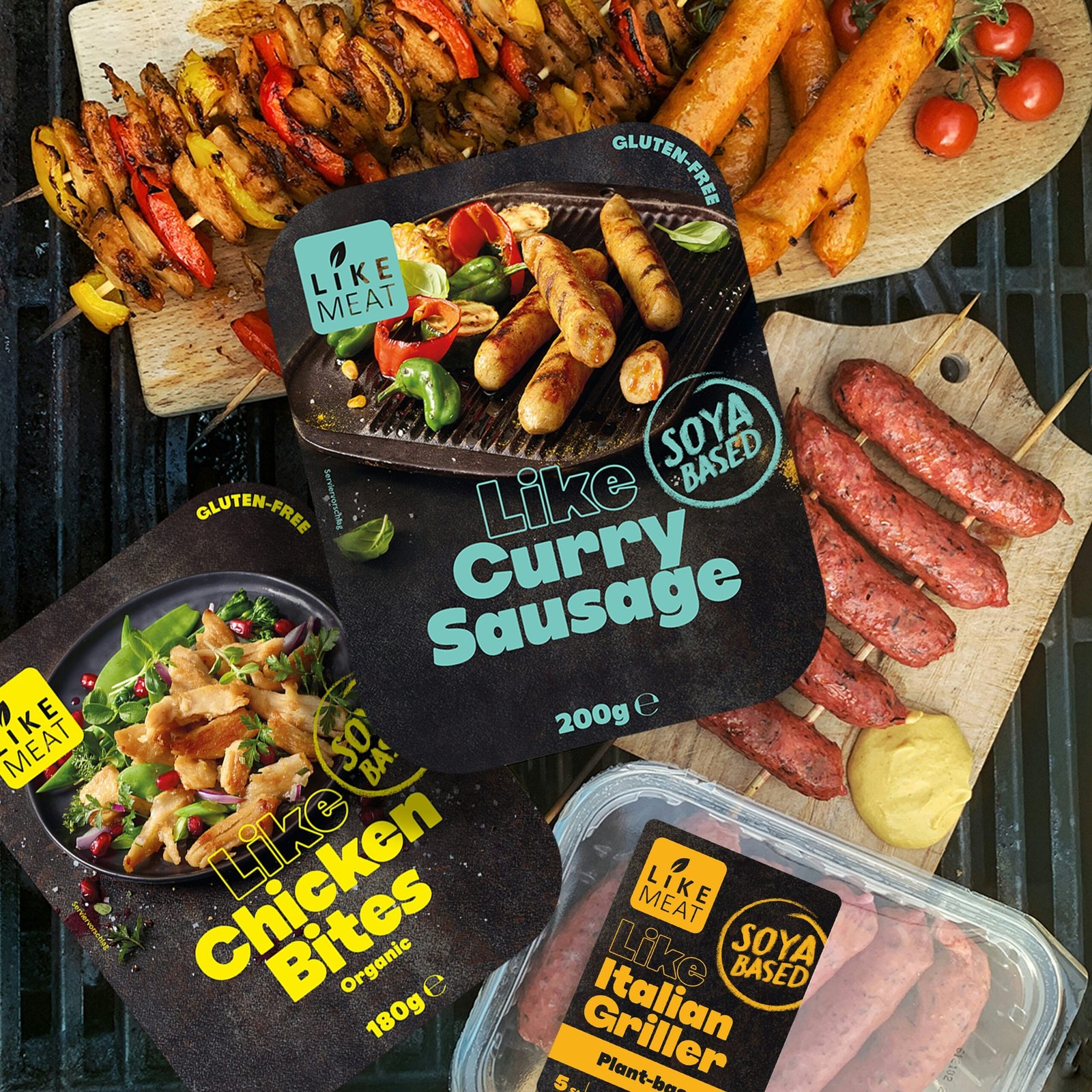
LikeMeat specializes in plant-based alternatives, offering a variety of meat substitutes that are free from common allergens. Their products, such as vegan sausages and nuggets, are designed to provide protein-rich meals without the presence of gluten or dairy, catering to vegan diets as well as those with food allergies.
Bonafide Provisions offers ready-to-eat bone broths that are paleo-friendly and free from allergens, making them a convenient option for nutritious soups and sauces. Their products are not only allergen-conscious but also support gut health, appealing to health-minded consumers looking for quick and safe meal solutions.
These brands exemplify the growing accessibility of allergen-friendly options in the marketplace. By integrating these safe alternatives into your cooking, you can create delicious meals without concern for food allergies.
UK
Top UK allergy-friendly brands include:
- Moo Free, NOMO (chocolates)
- Nairn’s, Just Love Food,
- Schär, Freee by Doves
- Farm (biscuits/bakes),
- Creative Nature (top 14 allergen-free), and
- supermarket own-brands (Tesco, M&S, Lidl) for staples;
- look for products free from the main 14 allergens (like gluten, dairy, nuts, egg) and check labels carefully for specific needs.
- For household/personal care, Allergy UK approves brands like Smol and WaterWipes, while HayMax offers balm for environmental allergies, notes Big Green Smile.
Top Food Brands & Products
Chocolate: Moo Free, NOMO (dairy-free, often gluten/nut-free), Kinder (check ingredients).
Biscuits & Cakes: Nairn’s, Just Love Food, Schär, Freee (Doves Farm), Creative Nature.
Baking Mixes/Breads: Freee by Doves Farm, BFree Foods.
Snacks: Creative Nature (bars, superfoods).
Supermarket Ranges: Tesco, Sainsbury’s, Asda, M&S, Lidl, Waitrose offer extensive “Free -From” ranges for bread, dairy alternatives, pasta, etc.
llergy-Friendly Household & Personal Care
Cleaning/Laundry: Smol (laundry/cleaning), Water-Wipes (wipes).
Balms/Relief: HayMax (barrier balm for hay fever).
Air Quality: Products approved by Allergy UK for improving indoor air quality.
Key Tips for Shopping
Check for the 14 Major Allergens: By law, these must be highlighted in ingredients lists (e.g., gluten, milk, nuts, eggs, soy, fish, shellfish, celery, mustard, sesame, sulphites, lupin, molluscs).
Read Labels Carefully: Recipes and ingredients can vary by country and even by batch.
Look for Certifications: Allergy UK and Creative Nature (Top 14 Free-From) are good indicators.
Navigating Dining Out with Food Allergies
Dining out can be an enjoyable experience for many, but for those with food allergies, it often requires careful consideration and proactive strategies. To ensure a pleasant outing without the risk of allergen exposure, it is essential to approach the process systematically.
The first step in safely navigating restaurant dining is effective communication with the staff. When making a reservation or upon arriving at the restaurant, inform the host or server about your specific food allergies. Clearly outline the ingredients you must avoid to help them guide you toward safe options on the menu. It is often useful to carry a card that lists your allergens to provide to the staff, minimizing the risk of miscommunication.
Understanding menus is another critical aspect of dining out with food allergies. Restaurants often provide detailed descriptions of their dishes, but certain menu items may still contain hidden allergens. If the menu lacks clarity, do not hesitate to ask the server about specific ingredients and preparation processes. Inquire whether cross-contamination is a concern and how the kitchen handles allergen-free requests. This will not only deepen your understanding of the dishes but also signal to the staff that you take your allergies seriously.
Making informed choices is vital. Opt for simpler dishes that are less likely to contain multiple allergens and have straightforward ingredients. Additionally, consider dining at establishments that specialize in allergy-friendly meals, as they are likely to be more knowledgeable and accommodating. Do your research before choosing a restaurant; online reviews and community forums can provide insight into other diners’ experiences regarding allergen awareness.
By communicating effectively, understanding the menu, and making informed choices, individuals with food allergies can enjoy dining out while minimizing the risk of exposure to allergens, ensuring a safe and delightful culinary experience.
Resources for Further Support on Food Allergies
For individuals and families navigating the challenges posed by food allergies, a plethora of resources are available to provide support and guidance. Numerous websites offer invaluable information, including Allergy.org, which is operated by the American Academy of Allergy, Asthma, and Immunology (AAAAI). This resource is instrumental in providing scientific insights and practical advice on managing various allergies. Another prominent site is FoodAllergy.org by the Food Allergy Research & Education (FARE), dedicated to raising awareness and advocating for those with food allergies.
In addition to websites, various organizations offer support networks for individuals affected by food allergies. The Asthma and Allergy Foundation of America (AAFA) not only provides resources for individuals with allergies but also fosters a sense of community through support groups. These groups can be instrumental in sharing personal experiences, tips, and recipes, which can greatly alleviate the feeling of isolation often experienced by those with food sensitivities.
Books are another rich resource for individuals seeking to expand their knowledge or find inspiration in allergy-friendly cooking. Notable titles include “The Allergy-Free Cookbook” by Cynthia Lair, which focuses on creating delicious meals without common allergens. Furthermore, “Allergy-Proof Recipes for Kids” by Marshall and Melissa L. refers to fun, adaptable recipes suited for children with specific dietary restrictions.
Online forums and social media groups also provide spaces for conversation, encouraging individuals to share their cooking experiences and favourite recipes. Platforms like Facebook host various groups dedicated to food allergy awareness and support, enabling members to engage, ask questions, and share success stories. By tapping into these resources, individuals living with food allergies can find a supportive community, practical advice, and inspiration to create delicious meals without worry.
.